How Home Fashions Reflect Apparel Choices
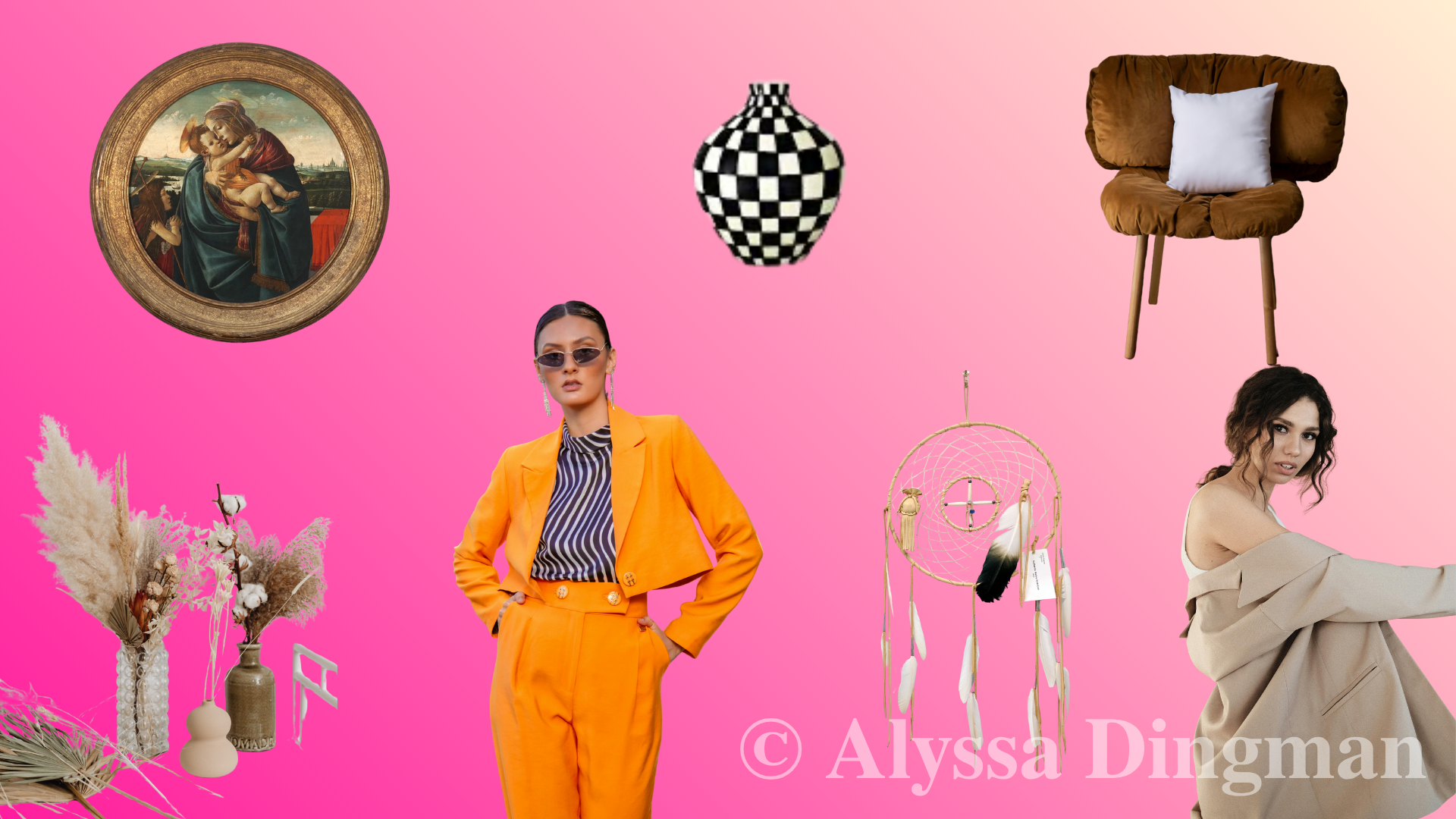
Image by Rulo Davila via pexels.com, Image via pxhere.com, image by Sandro Botticelli via raw pixel.com, Image by Katrin Bolovtsova via pexels.com, Image by Bohemian Baltimore via commons.wikimedia.org, Image by Mikhail Konetski via pexels.com, Image by nrjna via pixahive.com
Have you ever noticed that the things we wear and the things we put in our homes often look and feel the same? The colors, the fabrics, the styles, and even the trends seem to match. This is not an accident. Home fashions and clothing fashions change together all the time. When something becomes popular to wear, that same idea often becomes popular for home décor too.
Style Movements Appear in Both Clothing and Interior Design
Another important idea is that major style movements show up in both what we wear and how we decorate our homes. These movements describe the big, popular styles that shape trends.
Minimalism
Minimalism is about “less is more.” People who like minimalist clothes choose simple shirts, plain colors, and clean looks. At the same time, minimalist homes have few decorations, simple furniture, and neutral tones. Both styles focus on calm, clean spaces.
Maximalism
On the other side is maximalism, which is the “more is more” style. Bold patterns, bright colors, and lots of accessories show up in both wardrobes and living rooms. If someone dresses in colorful layers, patterns, and fun prints, they often enjoy a home filled with bold art, big décor pieces, and eye-catching furniture.
Bohemian (Boho) Style
Bohemian style is cozy, artsy, and full of natural materials. Flowing dresses, fringe, beads, and earthy tones appear in clothing. At the same time, boho homes have plants, woven baskets, macramé, and warm fabrics. Shoes, outfits, blankets, and pillows all show the same relaxed, creative vibe.
Industrial Style
Industrial style uses metal, leather, and darker colors. It first became popular in fashion with leather jackets, boots, and metal details. Soon, homes began using exposed brick, metal lights, and dark furniture. Both styles feel bold, tough, and modern.
These movements show how clothes and décor change together. When people feel connected to a certain vibe, they want to express it everywhere, in their closets and in their homes.

Image by Marina Leonova via pexels.com
Clothes and Homes Share the Same Popular Fabrics
One of the biggest ways home fashion reflects what we wear is through the fabrics we choose. Clothing designers and home décor designers often use the same materials. When a fabric becomes popular in clothing, it usually appears in home goods soon after.
For example, velvet has been a big trend in fashion. People love soft velvet jackets, tops, and pants. At the same time, velvet chairs, velvet pillows, and velvet couches became very popular. The reason is simple: people loved the feeling of velvet on their bodies, so they also wanted it in their homes.
Linen is another fabric that works in both worlds. When people started wanting lightweight, natural shirts and dresses, linen grew popular in apparel. Soon, linen bedding, curtains, and tablecloths also appeared in home stores. Linen makes clothes feel breezy, and it makes homes feel calm and clean.
Even faux fur shows up in both clothing and home décor. People enjoy wearing fuzzy jackets or soft faux-fur vests. At the same time, faux-fur throw blankets, pillows and rugs became trendy. We want our clothes to feel cozy and our homes to feel cozy too.
So, when you go shopping, take a look around. You might notice that the same textures and fabrics you see in the clothing section also show up in the home aisle. It is one of the clearest ways fashion and décor are connected.
Both Clothes and Home Décor Show Our Identity and Values
Another big reason home décor and apparel match is because both are ways we share who we are. Clothing is one of the first things other people notice about us. It tells a story about our personality, mood, or style.
Home décor does the same thing. When friends visit our homes, they learn what we like. They see our favorite colors, patterns, and textures.
If a person loves bright, bold clothes, their home often has bright colors, artwork, and lots of decor. If someone dresses in soft neutrals, their home may be calm and gentle too. We choose styles that feel like “us” in both areas.
Even values show up in both. For example:
People who care about the environment often wear eco-friendly clothes. They may also buy recycled rugs, bamboo furniture, or organic cotton bedding.
People who enjoy art wear creative outfits. They often display paintings, sculptures, or bold décor in their homes.
Our homes and our outfits are both reflections of who we are, what we love, and how we want others to see us.
Celebrities, Influencers, and Social Media Shape Both Trends
Years ago, magazines and TV shows told us what was popular. Today, celebrities and influencers on social media have the most power, and they inspire both our closets and our homes at the same time.
When a celebrity posts a photo wearing a certain sweater or pair of shoes, it often becomes a trend. But today, these same celebrities also show their living rooms, bedrooms, and kitchens online. Their décor becomes popular too.
For example:
When influencers shared neutral, cozy homes on Instagram, everyone started buying beige throw blankets and pampas grass.
When celebrities showed bold “statement walls,” wallpaper became trendy again.
The internet makes trends move fast. Since influencers share both outfits and home tours, the trends connect even more closely. What is popular to wear quickly becomes popular to decorate with also.

Image by Anna Shvets via pexels.com
Seasonal Collections Link Clothing and Home Goods
Many stores such as Target, Kohl’s, and Walmart sell both clothing and home décor. Because of this, they like to release matching collections each season. When fall arrives, stores often bring out warm sweaters, fuzzy scarves, and rich brown or orange colors. At the same time, they release fall pillows, warm blankets, and pumpkin themed décor.
In spring, pastel dresses and floral tops appear. So do spring décor pieces like flower-printed bedding and light-colored rugs.
This helps shoppers build a full lifestyle. They can dress the part and decorate the part. Stores know that many people enjoy matching moods across their homes and closets, so they plan collections to make that easy.
Personalization and Custom Designs Appear Everywhere
One more way home fashions reflect apparel choices is through personalization. People today love items that feel special and unique. This trend started with clothing and moved into décor.
In apparel, personalization shows up in:
Monogrammed jackets
Embroidered hats
Custom sneakers
Custom apparel
In home décor, personalization appears in:
Custom art prints
Personalized name signs
Monogrammed towels and bedding
Custom furniture
People enjoy having things that feel one-of-a-kind. If they love customizing what they wear, they often love customizing their home as well. This trend is growing fast because it helps people feel more connected to their style.
Clothing Trends Often Arrive Before Home Trends
One interesting thing to remember is that clothing trends often show up first. Fashion cycles move quickly and new styles come out every few months. Home décor trends move a little slower, but they often follow what happens in fashion.
Here is how it usually works:
A color becomes trendy in fashion (like sage green or lavender).
People start wearing it everywhere.
A few months later, stores release home items in the same color.
The same thing happens with patterns:
Stripes
Checkerboard
Florals
Color-blocking
Animal prints
Bows
When people see these patterns in clothing, they start wanting them in their rooms too.
This shows how connected the two industries really are. Fashion leads the way, and décor follows.

Image by Ready Made via pexels.com
Eco-Friendly Trends Shape Both Apparel and Home Design
More people today care deeply about the environment. This shift is seen in both clothing and home décor.
Eco-friendly fashion uses:
Recycled fabrics
Organic cotton
Plant-based dyes
Long-lasting, high-quality items
Eco-friendly home décor uses:
Bamboo furniture
Sustainably sourced wood
Organic bedding
Recycled materials
Energy-saving lighting
When people decide to be more eco-conscious in their wardrobe, they often make the same choices for their home. They shop with care, avoid waste, and look for items that last longer. Brands also notice this trend, so they create greener choices in both categories.
This shared movement shows how trends are not only about looks, they are also about values and lifestyle choices.
Why These Connections Matter
You might wonder why it matters that home fashions reflect apparel choices. There are several reasons this connection is important:
1. It Helps People Express Themselves Better
When clothing and décor match, people feel more confident and comfortable. They get to show their style in every part of their lives.
2. It Helps Brands Create Better Products
Companies pay attention to these patterns so they can design items people actually want. By watching fashion, they know what colors, fabrics, and patterns will sell well in home décor.
3. It Makes Shopping Easier
When everything matches, customers can build outfits and home spaces that feel connected. This makes shopping more fun and less confusing.
4. It Creates a Unified Lifestyle Trend
Today, people don’t just want products, they want a whole lifestyle that feels complete. Matching fashion and décor helps people create a full world that fits their personality.
References:
OpenAI.2025.ChatGPT.Nov 18 Version[Large language model].https://chatgpt.com
Singh, S. (2025, February 10). How fashion trends influence home decor: Decor trends 2025. Driptu.com. https://driptu.com/blogs/home-decor/how-fashion-trends-influence-home-decor-decor-trends?
Yasharpour, O. (2025, May 19). 2025 fabric trends: Top Textures & Patterns in Fashion & Decor. My Textile Fabric. https://mytextilefabric.com/blogs/news/2025-fabric-forecast-top-textures-and-patterns-dominating-fashion-and-decor?srsltid=AfmBOoruK7wvA8SISzDhoZnuUCgsGC2u51hBbavgvH6tSENbS7_QNl88&utm
