International Trade Laws and Counterfeits: Canal Street
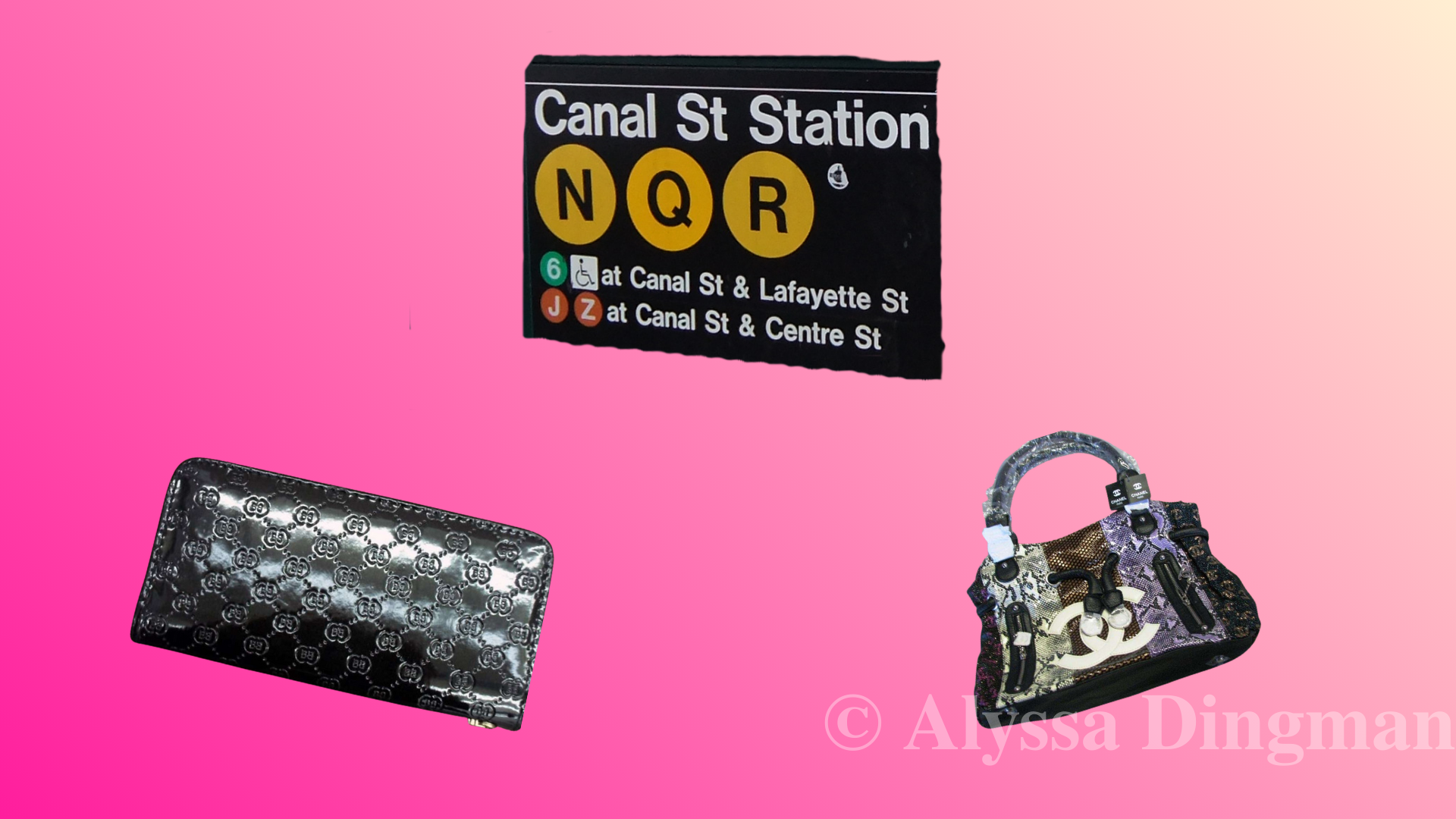
Image by Harrison Leong via commons.wikimedia.org, Image by Defense Visual Information Distribution Service via picryl.com, Image by U.S. Customs and Border Protection via picryl.com
Fake goods, also known as counterfeits, are a big problem in the fashion world today. These are items that look real but are not made by the real brand that they resemble. They might be fake shoes, electronics, beauty products, clothing, or handbags. They move from country to country, and it is very hard to stop them.
In the United States, one famous place where people often spot fake goods for sale is Canal Street in New York City. Many people go there and see vendors selling “designer” bags and watches for very cheap, negotiable prices. But these items are not real, they are counterfeits that traveled a long way to get there.
This blog will explain how international trade laws try to stop counterfeits, why fake goods still get through, and why this problem matters.
What Is the Global Counterfeit Market?
Counterfeiting is a huge business around the world and it makes billions of dollars every year. These fake goods travel through many countries before reaching stores, streets, and online shops.
Today, counterfeits are easier to make and easier to move because countries trade goods all the time, and this makes it easy for people who make fakes to hide their items in the middle of real shipments. It is also easier for them to sell counterfeits on the internet.
Canal Street is a small example of this big problem. When people see fake bags on the street, they are looking at the last step of a long journey that started in another country.
How International Trade Laws Try to Stop Counterfeits
Because fakes move from one country to another, countries need rules they can use together. These rules are called international trade laws. They help countries protect brands, stop crime, and keep people safe.
The TRIPS Agreement (WTO Rules)
The World Trade Organization (WTO) made an important rulebook called TRIPS.
TRIPS tells countries that they must:
Protect brand names, logos, and inventions
Make laws that punish people who sell fakes
Let customs officers check goods at the border
Take action against factories that make counterfeits
Almost every country in the world follows TRIPS. But some countries follow the rules better than others.
WIPO and Trademarks
The World Intellectual Property Organization (WIPO) helps brands protect their trademarks in many countries at once. This helps stop fakes because a strong trademark makes it easier to punish people who copy it.
Still, just having rules is not enough. Countries have to enforce them, which isn't always easy
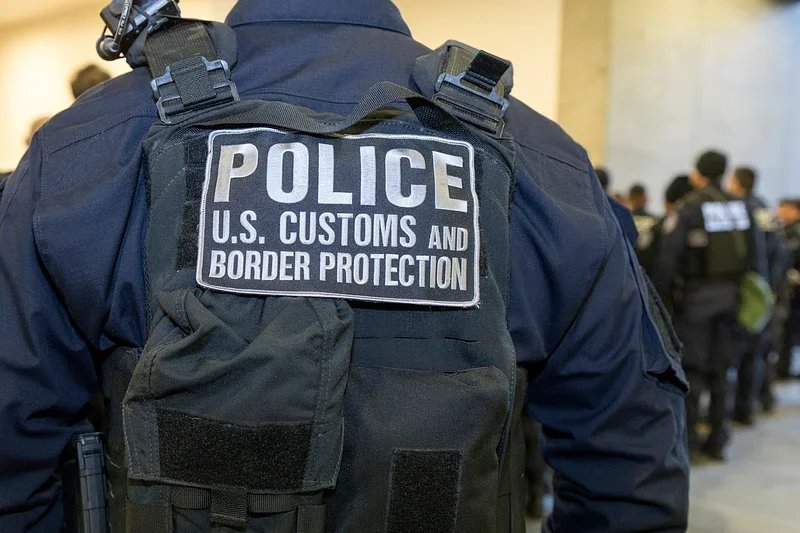
Image via rawpixel.com
How Countries Try to Catch Counterfeits at the Border
When goods move between countries, they pass through airports, shipping ports, and mail centers. This is where customs agents work. Their job is to stop counterfeits from entering the country.
Customs and Border Protection in the United States
In the U.S., Customs and Border Protection (CBP) tries to catch fake goods by:
Checking packages
Looking for fake logos
Seizing boxes that look suspicious
Working with real brands to spot counterfeits
But there are too many packages for customs to check them all. Many fakes slip through.
Working With Other Countries
To stop fake goods, countries must work together. Police in different countries share information. Agencies like Interpoland Europol help with big investigations. They sometimes raid fake factories or arrest people running counterfeit operations.
Even with all this teamwork, counterfeiters still find ways to get around the law.
Why Counterfeits Are a Trade Law Problem
Counterfeits do not just hurt one company. They are a problem for the whole world. They break international trade laws and make global business unfair.
They Hurt Fair Competition
Real companies spend money to design, test, and make their products. Fake companies copy the products but do none of the hard work. This is unfair to the real companies.
They Break Trade Rules
When countries do not stop counterfeit goods, they break their promises under TRIPS. Other countries may get angry or even start a trade dispute.
They Mess Up Supply Chains
Counterfeits can get mixed with real products. This makes it harder for companies and customers to trust the goods they buy.
They Can Lead to Issues Between Countries
Sometimes one country blames another for letting too many counterfeits leave its borders. This can cause tension or official complaints.
This is why counterfeits are not just a “crime issue”—they are a major trade law issue.
Image by Tracy O. via Flickr.com
How Counterfeits Hurt the Economy
Counterfeits cause many problems, including:
Companies losing money
Workers losing jobs
Governments losing tax money
Less money for new inventions
Damage to businesses that try to follow the law
For example, the fashion industry loses billions of dollars every year because of fake luxury handbags and clothes. Many fake designer bags that show up on Canal Street represent real money lost by real companies.
6. How Counterfeits Can Be Dangerous
Some fake products are not just unfair, they are dangerous.
Health Risks
Fake products may use low quality or unsafe materials. Examples include:
Fake electronics that can catch on fire
Fake makeup with harmful chemicals
Human Rights Problems
The factories that make counterfeits often have:
Unsafe work conditions
Workers who are treated badly
Child labor
Connections to organized crime
So when someone buys a fake bag or fake shoes, they may unknowingly support bad working conditions.
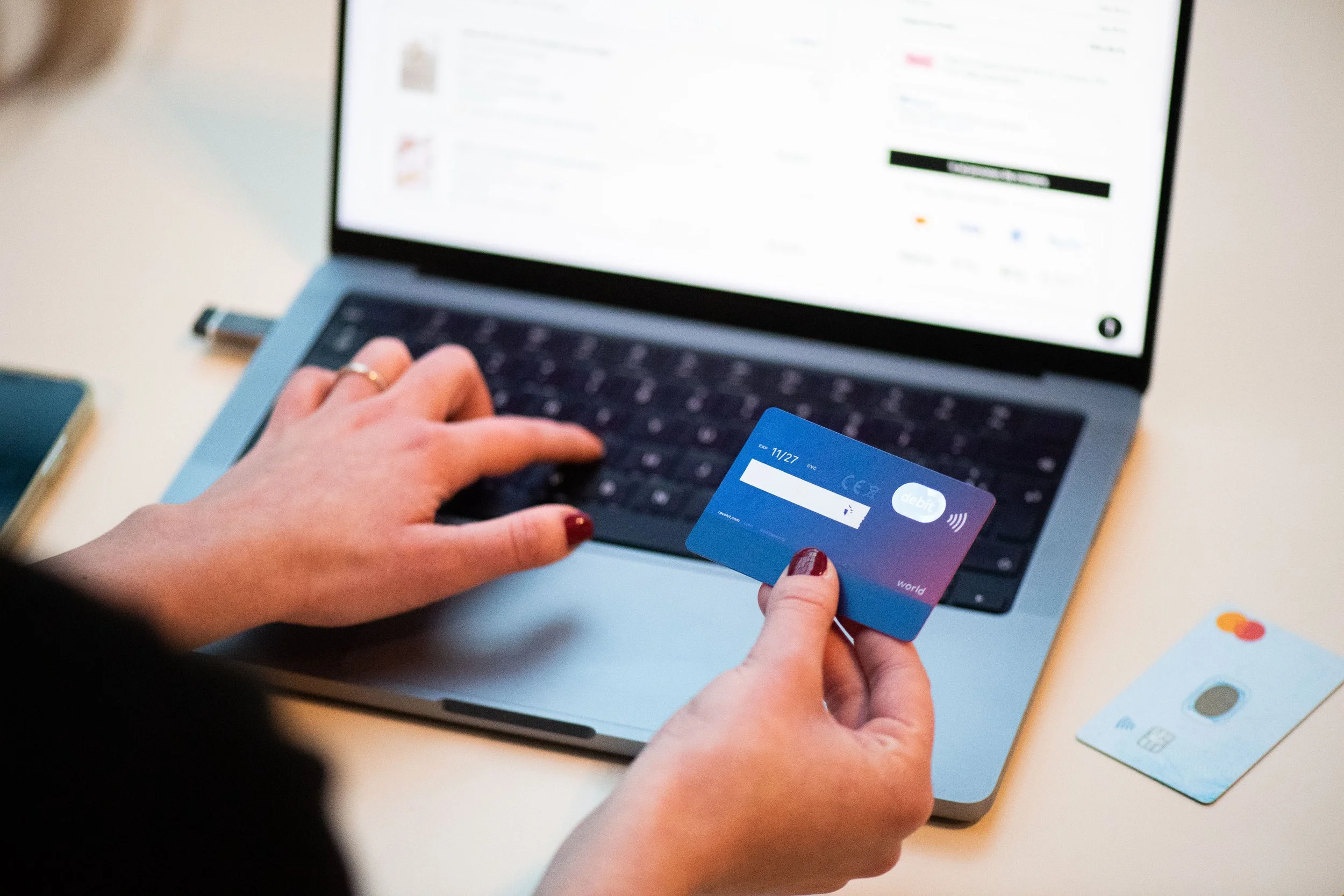
Image by Bogdan Hoyaux / European Commission via commons.wikimedia.com
Why It Is Hard to Stop Counterfeits
Even with strong laws, counterfeits are still everywhere. Here are some reasons:
Different Countries Have Different Levels of Enforcement
Some countries work hard to stop fakes. Others do not have the money, technology, or laws to stop them as efficiently.
Online Shopping Makes the Problem Bigger
Millions of packages are shipped every day from online sellers. Many of these packages are small and easy to hide. Customs workers cannot check all of them.
Fake Goods Are Getting Better
Today, some counterfeits look almost exactly like the real thing. These “super fakes” make it harder for customs workers and even experts to authenticate the products .
Products Are Shipped in Small Boxes
To avoid being caught, counterfeiters ship goods in very small packages. Instead of one big box with 10,000 fake bags, they send 10,000 small boxes with one item each.
New Ways Countries and Companies Try to Stop Counterfeits
Because counterfeiters are getting smarter, countries and companies are trying new ideas.
Better Laws
Some countries are making stronger laws and bigger punishments for selling or shipping counterfeits.
Brand Protection Teams
Many big companies now have special teams that:
Check online stores
Ask websites to remove fake listings
Work with customs to identify fake goods
New Technology
Technology can help stop fakes. Companies use:
Special chips (RFID)
QR codes on packaging
Smart tracking systems
Blockchain to track products from the factory to the store
These tools help companies prove what is real and what is not.
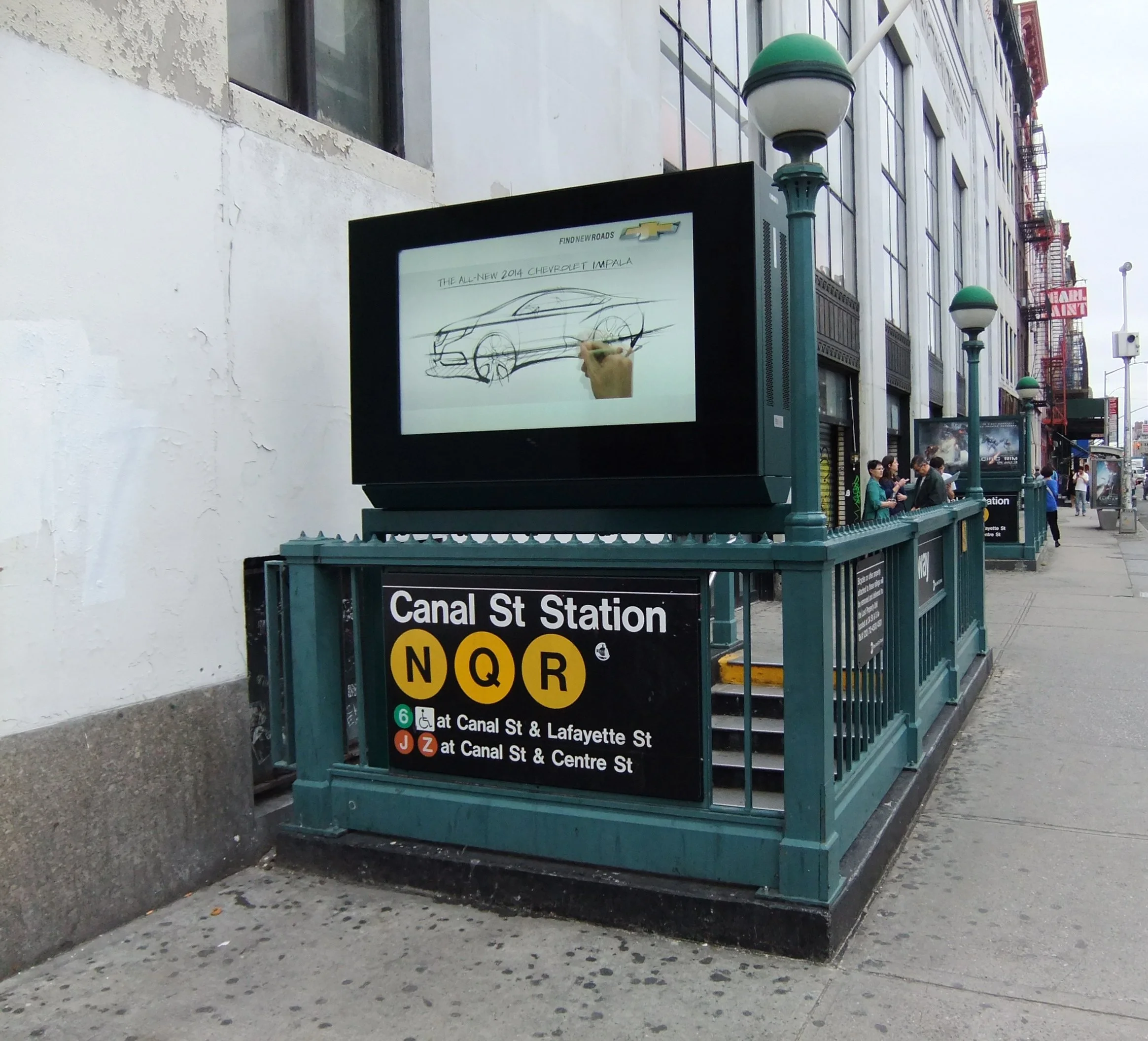
Image by Harrison Leong via commons.wikimedia.org
Canal Street in New York: A Real Example
Canal Street is known for its busy sidewalk shops. Many tourists visit it to buy knockoff designer items such as jewelry, handbags, wallets, sunglasses, perfumes and electronics.
Here is how these counterfeits get there:
Step 1: Making the Counterfeits
Many fake goods are made in other countries for cheap. Some are made in secret factories. Others are made in factories that also produce real goods but make fake ones on the side.
Step 2: Shipping the Counterfeits
Counterfeits are shipped to the U.S. in different ways:
In big cargo shipments
In small packages
Through mail centers
Through fake paperwork
Some shipments go to big ports like Newark, New York, or Los Angeles.
Step 3: Moving the Goods Inside the City
After the fake goods arrive in the U.S., they are taken to warehouses or storage rooms. People who sell on Canal Street get their items from these local distributors.
Step 4: Selling the Goods
On Canal Street, fake goods may be sold:
On folding tables
Inside small shops
From boxes or bags
By vendors on the street
Even when police shut down some sellers, new ones quickly appear.
Why Canal Street Keeps Going
Canal Street continues to be a hotspot for counterfeits because:
Many tourists want cheap “designer” items
Sellers can disappear quickly if police show up
New shipments keep arriving
People think buying counterfeits is harmless
But what looks like a cheap purse on a sidewalk represents a long, illegal journey across the world.
How Online Marketplaces Add to the Problem
Today, many counterfeits are sold online instead of on street corners. Platforms like Amazon, Alibaba, Etsy, and others try to stop fake items, but it is very hard.
They use tools like:
Programs that verify the brand
Computer systems that scan for fake listings
Seller ID checks
Serial-number checks
But millions of listings appear every day, and counterfeiters find new tricks.
Online shopping has become the “new Canal Street,” where fake goods can be shipped directly to your door.
The Future of Fighting Counterfeits
The world is changing fast, and counterfeits are changing too. Here are some things we might see in the future
More Pressure on Countries That Export Counterfeits
Countries that send out many fake goods may face stronger rules or penalties.
Better Technology
More companies may use blockchain, smart tags, and other tools to help stop fakes.
Teaching Consumers
People need to understand the risks so they do not buy fake goods without knowing the impact.
Focused Attention on Dangerous Items
Governments may focus extra attention on fake electronics and fake beauty products because they can harm people.
If countries work together and update their rules, the world may see fewer counterfeits in the future.
References:
OpenAI.2025.ChatGPT.Dec 2 Version[Large language model].https://chatgpt.com
Niezgoda, M. (n.d.). CBP continues to intercept counterfeit designer clothing, shoes, purses and watches at the Rochester, N.Y. Port of entry | U.S. Customs and Border Protection. cob.gov. https://www.cbp.gov/newsroom/local-media-release/cbp-continues-intercept-counterfeit-designer-clothing-shoes-purses-and
OECD/EUIPO (2021), Global Trade in Fakes: A Worrying Threat, Illicit Trade, OECD Publishing, Paris, https://doi.org/10.1787/74c81154-en.
Clemens, E. (2025, November 7). How Chinese online marketplaces fuel counterfeits. RSS. https://itif.org/publications/2025/08/20/how-chinese-online-marketplaces-fuel-counterfeits/
