The History of Outlet Stores
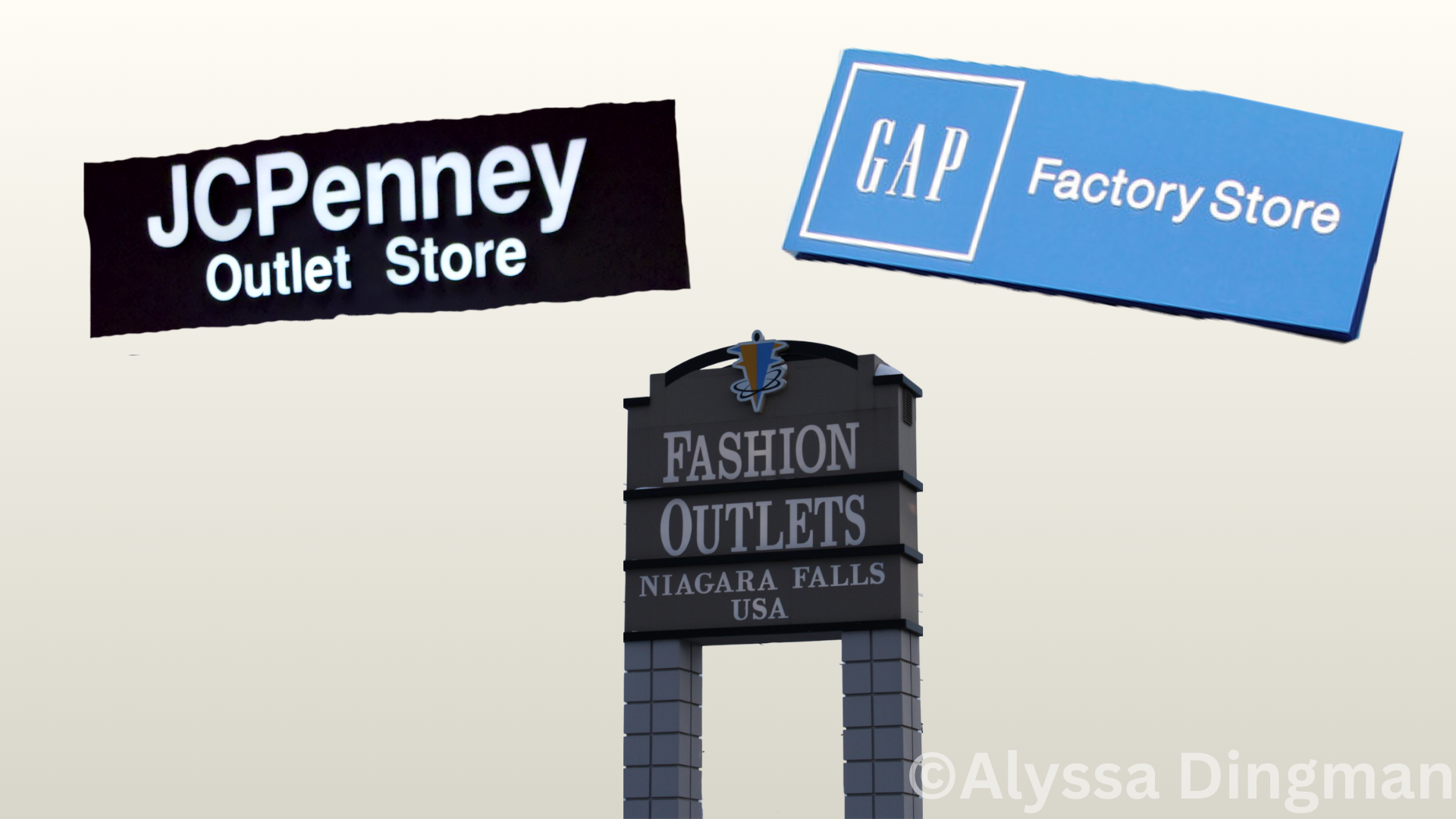
Image by Ben Schumin via commons.wikimedia.com, Image by Deutsch Fetisch via commons.wikimedia.com, Image by Edward Shelton via Flickr.com
What Is an Outlet Store?
An outlet store is a place where people go to buy things for less money. Many people like outlet stores because they think they are getting a good deal. Clothes, shoes, bags, and home items are often sold at lower prices than in regular stores.
But outlet stores were not always the way they are today. A long time ago, they had a very different purpose. They started as small stores that sold overstocked or defected items. Over time, they became very popular. Now, many outlet stores are closing, and fewer people visit them.
How Outlet Stores Began
Selling Overstocked and Defected Items
Outlet stores first started in the early 1900s. Back then, factories made clothing, shoes, bags, and other goods. Sometimes, these items had small problems. A shirt might have a loose thread. A shoe might have a small mark. Other times, factories made too many items and could not sell them all.
Factories did not want to throw these items away because that would cost way too much money. Instead, they sold them for less.
These early outlet stores were often called factory outlets. They were usually built right next to the factory. This made it easy for the factory to move extra or damaged goods into the store.
Who Shopped at Early Outlets?
At first, outlet stores were not for everyone. Most shoppers were factory workers, employees, and bargain hunters. People knew that the items may be defective, but they continued to go because they wanted low prices, not style or brand names.
There were no bright signs or big malls and the stores were simple. Clothes were stacked on tables or hung on racks. Boxes were often piled high. Shopping there felt more like searching than browsing.
Outlet stores were not about fun, they were about saving money.
No Advertising, No Glamour
Early outlet stores did not have ads on TV or in magazines. People found them by word of mouth. Many shoppers did not even know outlet stores existed.
Brand names did not matter as much back then. Shoppers cared more about price and use. If a shirt fit and kept you warm, it was good enough.
This simple and quiet start helped outlet stores grow slowly over time.
The Rise of Outlet Stores
Outlet Stores Move Away from Factories
In the 1970s and 1980s, outlet stores began to change. They no longer stayed only near factories. Companies started building outlet stores farther away, near highways and tourist areas.
Soon, groups of outlet stores were built together. These became outlet malls. Instead of one store, shoppers could visit many stores in one trip.
This was a big change. Outlet shopping became easier, more exciting, and more popular.
The Outlet Mall Boom
In the 1990s and early 2000s, outlet malls became very popular. Many families planned trips just to shop at outlet malls. Some outlet malls were built near vacation spots so tourists could shop during trips.
Outlet malls were often outdoor malls and they had food courts and rest areas. Outlet malls at this time also began to have big brand-name stores. This made outlet shopping more enjoyable and something that people could make a whole day out of.
For many people, outlet shopping felt smart. Shoppers believed they were buying the same items sold in regular stores, but for much less money. At first, this was how outlets worked, but this did not stay the case
Image by Pavel Danilyuk via pexels.com
Big Brands Join In
As outlet malls grew, big brands noticed how popular they were. Clothing companies, shoe brands, and luxury labels opened outlet stores too.
At first, these outlet stores sold overstocked items from regular stores and the factories. These were last season’s clothes or items that did not sell well.
But demand grew. Too many people wanted outlet deals. Brands could not keep up with demand using only overstocked items.
This caused a big shift in outlet stores.
Made-for-Outlet Products
To fill outlet stores, brands started making products just for outlets. These items looked to be the same quality as regular retail store items, but they were often made at a much lower quality to keep the cost low.
For example:
Thinner fabric
Fewer details
Simpler designs
Less stitching
The prices were lower, but the items were not always the same quality as regular store items.
Many shoppers did not realize this at first. They still believed outlet stores always sold the same goods for less.
Outlet Stores as a Lifestyle
During this time, outlet shopping became part of everyday life. People talked about “getting deals” and “shopping smart.”
Outlet malls were busy on weekends and holidays. Families walked from store to store with big bags. Shopping felt like a game and finding a bargain felt like winning.
For many years, outlet stores grew and grew. It seemed like they would last forever.
The Change and Decline of Outlet Stores
Shoppers Start to Notice the Difference
Over time, shoppers began to notice the difference between the products sold in outlet stores and the products sold in regular retail stores. Some items from outlet stores did not last as long. Clothes wore out faster and shoes broke sooner.
People started to realize that many outlet items were not the same quality as regular retail store items. The idea of “big savings” did not feel real anymore.
When trust goes down, shoppers look elsewhere.

Image by Karola G via pexels.com
Online Shopping Takes Over
One of the biggest reasons outlet stores started to decline is online shopping. People can now shop from home using phones or computers.
Online stores often have:
Sales all year
Discount codes
Free shipping
Easy returns
Many websites also show price comparisons. Shoppers can quickly see if a deal is real.
Because of this, people do not need to go out of their way to visit an outlet mall to save money. They can find deals online in minutes.
After Covid, this was when we saw the most rise in online shopping and a real decrease in outlet mall shopping.
Fast Fashion Changes Shopping
Fast fashion brands also play a big role in the decrease of outlet stores. These brands sell trendy style clothes for very low prices. New styles appear every week and there are what seems like unlimited options to choose from.
For shoppers, this changes habits. Instead of visiting outlet malls, many people buy cheap clothes online.
Fast fashion makes outlet store prices seem less special. Why go out of your way to visit an outlet store when a shirt online costs the same or even less?
Outlet Malls Are Often Far Away
Many outlet malls are built outside cities. They are near highways or small towns. This means shoppers might have to drive far to go to them.
Today, gas costs money. Time is valuable. People want quick and easy shopping.
If an outlet mall is far away, many shoppers decide it is not worth the trip.
Less Fun Than Before
Outlet malls used to feel exciting. Over time, some became empty or outdated. Closed stores make malls feel dull and quiet.
When fewer people shop there, businesses earn less money. Some outlet malls lose stores and never replace them. This creates a cycle where fewer shoppers visit, and more stores close.
Brands Change Their Strategy
Brands today focus more on:
Online stores
Social media
Regular retail store
Selling from regular retail stores helps brands make more profit. They do not need outlet stores as much as before.
Some brands close outlet locations to save money since they're spending more to keep the store open than what they're earning in sales from that location. Others turn outlet stores into regular stores or online-only sales. Brands such as Michael Kors and Coach have outlet sections on their website for outlet products, and this may potentially be all that is left of outlet stores in the future.

Image by David McBee via pexels.com
The Economy and Spending Habits
When money is tight, people shop differently. Some people buy less. Others buy only what they need.
Outlet stores depend on people buying extra things because they feel cheap. If shoppers are careful with money, they may skip out on outlet malls.
Also, younger shoppers often care more about values. They think about:
Waste
Quality
Sustainability
Outlet shopping does not always match these values.
What Outlet Stores Look Like Today
Not All Outlet Stores Are Gone
It is important to know that outlet stores are not completely gone. Some are still busy and popular. Tourist areas and big cities still have strong outlet malls.
However, there are fewer new outlet malls than before. Growth has slowed.
Outlet stores today often:
Offer smaller selections
Focus on experience rather than volume
They are trying to change with the times.
Outlet Stores and the Future
Some outlet stores may survive by becoming more honest and clear. Telling shoppers what is truly a deal helps build trust.
Others may shrink or close if they cannot compete with online shopping.
Outlet stores are no longer the only way to find savings. They are now one choice among many.
References:
OpenAI.2025.ChatGPT.Dec 10 Version[Large language model].https://chatgpt.com
McIntyre, R. (2024, July 26). Ten reasons for the current retail outlet closings | by Ron McIntyre | Medium. ronmci.medium.com. https://ronmci.medium.com/ten-reasons-for-the-current-retail-outlet-closings-e9c718ce2e45
Geeter, D. (2024, July 18). Why outlets are lagging behind other mall categories in the U.S. CNBC. https://www.cnbc.com/2024/07/18/why-outlet-malls-are-struggling-against-amazon-and-shein.html
